Strengthening Peace and Mental Wellbeing: Safer World Foundation Launches Community-Centered Projects in Niger State
In Niger State, where communities continue to navigate the long-term social and psychological impacts of conflict, poverty, and displacement, Safer World Foundation has commenced the implementation of two critical, community-centered projects focused on Mental Health and Psychosocial Support (MHPSS) and Peacebuilding.
These initiatives are designed to address a long-standing gap in development and recovery efforts: the often-overlooked social and mental dimensions of peace and resilience. By integrating psychosocial wellbeing with inclusive peacebuilding approaches, the projects aim to strengthen community cohesion, improve individual wellbeing, and support sustainable recovery at the grassroots level.
Recognising Mental Health as a Foundation for Development
During an advocacy visit to the Niger State Budget Planning Commission, the Honourable Commissioner, Mustapha Ndajiwo, underscored the significance of the intervention and the State’s commitment to its success.
“This project is very important to us in Niger State. It’s going to be one of the most impactful projects in the State. Too often, the social aspects of the challenges we face are ignored. You can provide resources or financial support, but if people’s mental well-being is not addressed—if they are not psychologically stable—then all those efforts may ultimately be wasted. For the State, these projects are critical, and we are ready to provide all the support required to ensure successful implementation.”
The Commissioner’s remarks reflect a growing recognition among policymakers that mental health and psychosocial well-being are not peripheral concerns, but foundational to effective governance, peacebuilding, and sustainable development.
A Community-Driven Approach to Peacebuilding and Healing
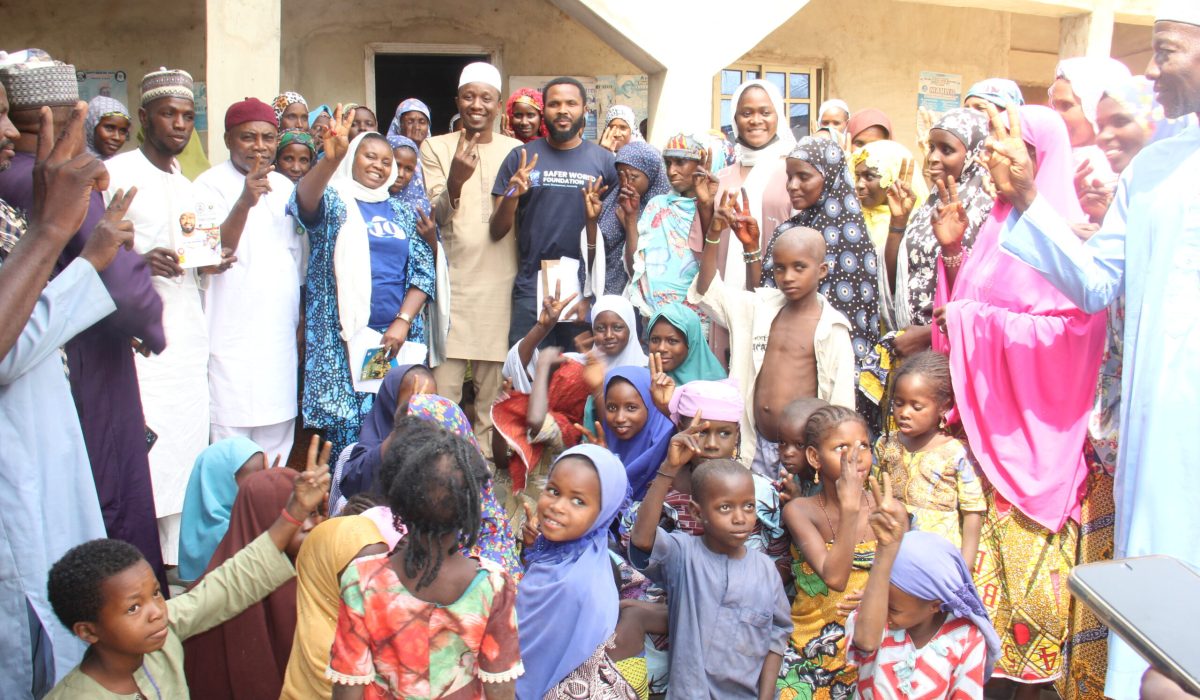
Safer World Foundation’s approach places communities at the centre of both projects. Through facilitated dialogues, safe spaces, psychosocial support activities, and capacity-building for local actors, the initiatives seek to empower individuals and communities to actively participate in their own healing and peace processes.
By working closely with community leaders, youth groups, women peace actors, and local institutions, the projects aim to foster trust, encourage dialogue across divides, and strengthen existing community support systems.
Commitment to Quality, Accountability, and Impact
Speaking during the engagement, The National Programme Director of Safer World Foundation Yonpan Dariem, reaffirmed the organisation’s commitment to delivering the projects with the highest standards of professionalism and accountability.
“Safer World Foundation is fully committed to carrying out these projects thoroughly and responsibly, as we have consistently done in our work. We will ensure that implementation is community-driven, evidence-based, and aligned with best practices, so that the intended impact is both meaningful and sustainable.”
This commitment reflects Safer World Foundation’s broader mission to design and implement programmes that are not only responsive to immediate needs but also contribute to long-term peace, resilience, and social cohesion.
Looking Ahead
As implementation progresses, Safer World Foundation will continue to work in close collaboration with government institutions, community stakeholders, and partners to ensure that the voices and experiences of affected communities remain central to the process.
By addressing mental health and peacebuilding together, these projects represent an important step toward more holistic, people-centred development in Niger State – one that recognises that lasting peace begins with wellbeing, dignity, and inclusive participation.
About Safer World Foundation
Safer World Foundation is dedicated to promoting humanitarian response, social protection, and sustainable development in Nigeria. With a focus on vulnerable populations, the Foundation works to address complex crises through targeted interventions and strategic partnerships